
Breaking: US Army moves to DEFCON 2
http://macedoniaonline.eu/content/view/6893/2/
Thursday, 28 May 2009
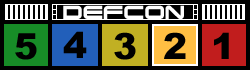
걓뙱빒걕
Sources close to MiNa claim the US Army has moved their alert level to Defcon 2. This was initiated by the alarming situation in North Korea. The US Army has over 35,000 troops stationed in South Korea, well within reach of North Korean convential weapons.
North Korea has the largest artillery force (can be equipped with nuclear warheads) in the world, which adds more to the already tense situation.
Earlier today, N. Korea"s leader Kim Jong issued threaths to the South Korean and US Navy ships for coming too close to North Korea"s territorial waters. The South Koreans and the Americans, may be positioning themselves for a preemptive strike.
What is DEFCON?
The defense readiness condition (DEFCON) is a measure of the activation and readiness level of the United States Armed Forces. It describes progressive postures for use between the Joint Chiefs of Staff and the commanders of unified commands. DEFCONs are matched to the situations of military severity.
Standard peacetime protocol is DEFCON 5, descending in increasingly severe situations. DEFCON 1 represents expectation of actual imminent attack, and is not known to have ever been declared. During the Cold War, DEFCON 1 was feared because it would most likely precede an all-out nuclear war.
In a national state of emergency, seven different alert conditions known as LERTCONs can be issued. They consist of five Defense Conditions and two Emergency Conditions (EMERGCONs).
DEFCON 5
This is the condition used to designate normal peacetime military readiness. An upgrade in military preparedness is typically made by the Joint Chiefs of Staff and announced by the United States Secretary of Defense.
DEFCON 4
This refers to normal, increased intelligence and the heightening of national security measures.
DEFCON 3
This refers to an increase to force readiness above normal. Radio call signs used by American forces change to currently classified call signs. This was reached after 9/11.
DEFCON 2
This refers to a further increase in force readiness just below maximum readiness. The most notable time it was declared was during the Cuban Missile Crisis, although the declaration was limited to Strategic Air Command. It is not certain how many times this level of readiness has been reached.
DEFCON 1
This refers to maximum readiness. It is not certain whether this has ever been used, but it is reserved for imminent or ongoing attack on US military forces or US territory by a foreign military power.
걓볷{뚭듗댲|뽷걕
MiNa궻뗟궘궻륃뺪뗗궼갂빫뜎뿤똓궕붯귞궻똸뜍깒긹깑귩Defcon2궸벍궔궢궫궴롥뮗궢귏궥갃 궞귢궼뻢뮝멞궳떶궘귊궖륉떟궸귝궯궲둎럑궠귢귏궢궫갃 빫뜎뿤똓궼뻢뮝멞궻convential빜딇궻붝댪궻궔궶귟뭷궸듰뜎궸3뼔5000댥뤵궻똓귩봹뭫궠궧귏궥갃
뻢뮝멞궼맊둉궸띍귖묈궖궋뺺빜묂귩렃궯궲궋귏궥(둱뭙벆귩뷈궑귡궞궴궕궳궖귏궥)갃(궩귢궼갂딓궸뗙뮗궢궲궋귡륉떟궸귖궎룺궢돿궑귏궥)갃
뻢뮝멞궻깏[_[궻긌궻긙깈깛긐궼갂뜞볷갂귏궫갂뻢뮝멞궻쀌둇궸뗟궱궘궫귕궸듰뜎궻갂궩궢궲갂빫뜎궻둇똓멏궸threaths귩뵯뛱궢귏궢궫갃 듰뜎릐궴귺긽깏긇릐궼갂렔빁궫궭귩뭫궘궞궴궳궇귡궔귖궢귢귏궧귪먩맕뛘똼궻궫귕궸갃
DEFCON궼돺궳궥궔?
긢귻긲긃깛긚뷈륆뙊(DEFCON)궼갂딳벍궻롨뭝궴빫뜎똓묂궻뷈깒긹깑궳궥갃 궩귢궼뱷덇궠귢궫긓}깛긤궻뱷뜃랷뻚{븫궴럚딐뒸궻듩궻럊뾭궻궫귕궻릋뺖밒궶\궑궸궰궋궲먣뼻궢귏궥갃 DEFCONs궼똓럷궻뙲궢궠궻륉떟궸뜃귦궧귞귢궲궋귏궥갃
귏궥귏궥뙲궢궋륉떟궳돷궯궲갂뷭궻빟렄궻긵깓긣긓깑궼DEFCON5궳궥갃 DEFCON1궼렳띧궻뜼궢뵕궯궲궋귡뛘똼귉궻딖뫲귩\궢궲갂뜞귏궳궸먬뙻궠귢궫궞궴궕궇귡궻궕뭢귞귢귏궧귪갃 쀢먰딖궸갂궫귆귪멣뽋둱먰몚궸먩뛱궥귡궳궢귛궎궔귞갂DEFCON1궼떚귢귞귢귏궢궫갃
뜎됄뷄륂럷뫴궳궼갂LERTCONs궴궢궲뭢귞귢궲궋귡7궰궻댶궶궯궫뭾댰[궋륉뫴궼뵯뛱궳궖귏궥갃 궩귢귞궼5Defense Conditions궴2Emergency Conditions(EMERGCONs)궔귞맟귟귏궥갃
DEFCON5궞귢궼갂똓럷궻뷈궸맫륂궶빟렄귩럚믦궥귡궻궸럊뾭궠귢귡륉뫴궳궥갃 똓뷈궸궓궚귡귺긞긵긐깒[긤궼갂뱷뜃랷뻚{븫궸귝궯궲믅륂띿귞귢궲궋궲갂뜃뢔뜎뜎뻞뮮뒸궸귝궯궲뵯\궠귢귏궥갃
DEFCON4궞귢궼맫륂궳갂몵돿궥귡뭢맜궴뜎됄댝멣뫇믦귩뛼귕귡궞궴귩렑궢귏궥갃
DEFCON3궞귢궼갂뷈귩뷭귝귟뤵귏궳떗맕궥귡궫귕궸몵돿귩렑궢귏궥갃 긓[깑긖귽깛궕뙸띪귉궻빫똓궻빾돸궳럊뾭궢궫깋긙긆궼긓[깑긖귽깛귩빁쀞궢귏궢궫갃 궞귢궸9갋11궻뚣궸묪궢귏궢궫갃
DEFCON2궞귢궼묈땽궢궲뛛궶귡몵돿귩렑궢귏궥갃띍묈궻뷈궻궥궙돷궻뷈갃 궩귢궕먬뙻궠귢궫띍귖뭾뽞궸뭠궥귡렄궕긌깄[긫갋~긖귽깑딅@궻듩갂궇귟귏궢궫갂먬뙻궼먰뿪뗴똓궸맕뙽궠귢귏궢궫궕갃 궞궻깒긹깑궻뷈궸돺됷묪궢궫궔궼갂둴렳궳궼궇귟귏궧귪갃
DEFCON1궞귢궼띍묈궻뷈귩렑궢귏궥갃 궞귢궕뜞귏궳궸럊뾭궠귢궫궞궴궕궇귡궔궵궎궔궼갂둴렳궳궼궇귟귏궧귪궕갂궩귢궼빫뜎똓럷쀍궔빫뜎쀌뱘궸뫮궥귡뜼궢뵕궯궲궋귡궔릋뛱뭷궻뛘똼궻궫귕궸둖뜎똓럷쀍궸귝궯궲\뽵궠귢귏궥갃
*******************************************************************************
궞귢궕{뱰궶귞갂릩궸먰몚궕럑귏귡궔귖갋갋갋(-꼝[갍)