
メインへ

KJCLUB 日韓文化交流へようこそ。

退役パイロットが言う韓日事態.

閲覧数 : 1,270
2194399 KO 255

https://southkoreanmilitary.blogspot.com/2018/12/fighter-pilots-view-on-japan-korea.html?fbclid=IwAR2hPFRP0vuAryaaoB0fNEqxz94q6UaLqx5P2NlMFCTRCHU0_toNadB6PKQ


一部分だけ紹介

P-1"s Flight Pattern
Normal flight pattern of maritime patrol aircraft when identifying a vessel is to fly slightly high above the target vessel, circle around, and fly in parrael to the vessel"s heading on its port or starboard side. This allows both sides to show that there is no hostile intent.
When approaching from the vessel"s bow (front), aircraft do not fly straight at the vessel, but rather at a slightly deviated angle.
When approaching from the vessel"s port or starboard side angle, the aircraft deviates course and approaches further away from stern or bow.
Directly approaching a vessel from its rear angles and straight above the vessel is a very aggressive and provocative method.
That would be more than enough to warrant a tracking radar activiation from the vessel for self-defense purpose.


US Navy P-3B flying in parallel to a Soviet Kynda-class cruiser.
The Soviet vessel is not posing any threat to the P-3B as its guns and missile launchers are at their default positions.

P-1 in the video is shown flying in low altitude and approaching the KCG Sambong from the rear and flies straight across the ROKS Gwanggaeto the Great from the rear portside direction.
This is considered an aggressive or provocative maneuver, especially against a military vessel.
Below is a photo of a US Navy P-3A conducting aggressive approach on a Soviet cargo ship during the Cuban Missile Crisis. Vessel in the bottom of the photo is a US Navy Forrest Sherman-class destroyer.
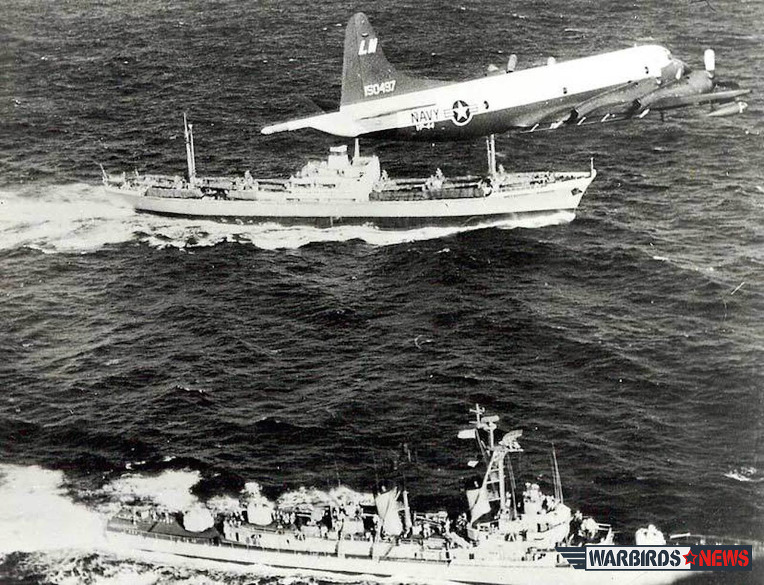


Based on what was shown in the video and on my extensive naval flight experience, Japanese aircraft"s approach was undoubtedly problematic and a cause of concern for the Korean vessels.
原文を見る

퇴역 파일럿이 말하는 한일사태.

https://southkoreanmilitary.blogspot.com/2018/12/fighter-pilots-view-on-japan-korea.html?fbclid=IwAR2hPFRP0vuAryaaoB0fNEqxz94q6UaLqx5P2NlMFCTRCHU0_toNadB6PKQ


일부분만 소개

P-1"s Flight Pattern
Normal flight pattern of maritime patrol aircraft when identifying a vessel is to fly slightly high above the target vessel, circle around, and fly in parrael to the vessel"s heading on its port or starboard side. This allows both sides to show that there is no hostile intent.
When approaching from the vessel"s bow (front), aircraft do not fly straight at the vessel, but rather at a slightly deviated angle.
When approaching from the vessel"s port or starboard side angle, the aircraft deviates course and approaches further away from stern or bow.
Directly approaching a vessel from its rear angles and straight above the vessel is a very aggressive and provocative method.
That would be more than enough to warrant a tracking radar activiation from the vessel for self-defense purpose.


US Navy P-3B flying in parallel to a Soviet Kynda-class cruiser.
The Soviet vessel is not posing any threat to the P-3B as its guns and missile launchers are at their default positions.

P-1 in the video is shown flying in low altitude and approaching the KCG Sambong from the rear and flies straight across the ROKS Gwanggaeto the Great from the rear portside direction.
This is considered an aggressive or provocative maneuver, especially against a military vessel.
Below is a photo of a US Navy P-3A conducting aggressive approach on a Soviet cargo ship during the Cuban Missile Crisis. Vessel in the bottom of the photo is a US Navy Forrest Sherman-class destroyer.


Based on what was shown in the video and on my extensive naval flight experience, Japanese aircraft"s approach was undoubtedly problematic and a cause of concern for the Korean vessels.

いいね・コメントにはログインが必要です。

コメント ( 16 )
  • この部分に対して論議する日本人はまだなかったよ....

    7年前

  • 2

    艦船は2隻存在していますよ。最初にアプローチしたのは海警の船舶で平行に飛行し、駆逐艦はその進行方向にクロスする方向に航行しており、P1は駆逐艦の後方を横切る形になっています。2隻の距離も離れていないのでこれを攻撃的だと判断するのは無理ではないでしょうか。動画の最初の時点で2隻の間隔を既に把握している事、また全景撮影に失敗したと会話している事から動画開始以前で投稿内で指摘されているような比較的高い高度からのアプローチは終えていると判断できます。その後、駆逐艦に対するアプローチも後方から平行に飛行していますね。

    7年前

  • 上の出処に入って見れば分かるが院文作成者も日本側の映像を見て書いた文だ

    7年前

  • 2

    それがどうかしましたか?私も映像を見ましたし私が指摘している点は間違いではないのですが。動画開始以前に全景を撮影に失敗しているのは会話から明確なんですが。

    7年前

  • 2

    私が指摘した点は動画内の日本語での会話を理解できないと難しいと思いますよ。それに動画だけ見て駆逐艦のみに焦点を当てると、最初のアプローチは後方を直角に横切る形に見えますからね。

    7年前

  • 個人的に動画開始以前に全景を撮影に失敗している部分はあまり意味がないと思う. p-1の kd-1 接近方法が多分に攻撃的に見えられるゾムイラヌンゴッ...

    7年前

  • 2

    どこが攻撃的なのでしょうか?私が指摘した点は、投稿内の退役パイロットが指摘している一般的なアプローチをしているという事なんですが。

    7年前

  • “ところが, 日本デザム超音速機は低高度で参峰ハムの右側側面の後方に立って接近を始めて, グァンゲト大王することの左側後方で横切って行くこれはグンハムエゲイッオすごく脅迫的な攻撃機動で見なされる.”

    7年前

  • “通常的インデザム超音速機の船舶識別パターンはちょっと高い高度でお腹の上を通り過ぎて後ろ向きになって船舶の進行方向と並んで日ながら船舶の側面に過ぎ去るのだ. それでこそお互いに脅威にならなければ三見せてくれることができるからだ正面で近付かなければならない時は落とし穴の進行方向に正面から入って来るのではなくちょっと斜めにして出て近付いて, 側面で近付く時は落とし穴を向けてさして入って行くのではなく進行部屋香前や後尾方へ遠く斜めにして三近付く”

    7年前

  • 2

    だからその通りの飛行をしていると指摘しています。駆逐艦の後方を横切る飛行になったのは、2隻が近距離で駆逐艦はその進行方向にクロスする方向に航行していたからです。駆逐艦への撮影のためのアプローチではありません。

    7年前

  • グブブンは case by case おこるようにする. ある者ではないと見られるしまた他人はあたると思うことができる.

    7年前

  • 2

    私が指摘した点がおかしいというのなら具体的に説明して下さい。

    7年前

  • 2

    to fly slightly high above the target vessel, circle around, は動画開始前の全景撮影に失敗した飛行がそうですね。 投稿内で指摘されている flies straight across the ROKS Gwanggaeto the Great from the rear portside direction はKCG Sambongと駆逐艦の距離が近接しており駆逐艦はその進行方向にクロスする方向に航行しているからです。駆逐艦へのアプローチじゃないんですよ。駆逐艦へのアプローチはその後離れ旋回した後に後方から平行に飛行しています。

    7年前

  • あらかじめ話すが私はここで争うつもりもなくて卑下じるつもりもないと言ったら争わずに話しましょう. しかし年末だから個人約束があるのでしばらく AFK;;;;

    7年前

  • 2

    あなたの文章から真面目に議論できそうな方という点は感じています。楽しんできてください。

    7年前

  • ありがとう楽しい年末を送ってほしい.

    7年前

ミリタリー

全24,200件

197 / 1,210ページ

  1. 2194673 KO 255
  2. 2194662 JA 255
  3. 2194575 KO 255
  4. 1 閲覧数 : 1,420
    2194483 KO 255
  5. 2194476 JA 255
  6. 閲覧数 : 1,270
    2194399 KO 255
  7. 2194386 KO 255
  8. 2194328 JA 255
  9. 2194322 KO 255
  10. 2194295 JA 255
  11. 2194235 JA 255
  12. 2194093 JA 255
  13. 2193912 KO 255
  14. 2193873 JA 255
  15. 2193847 KO 255
  16. 2193804 KO 255
  17. 2193797 KO 255