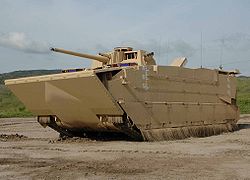
ウィキリークス:「中国、在韓米軍の撤収要求も」(上)
中国の胡錦濤国家主席が訪米したのを機に、米国の中国関連の外交公電が大量に公開された。
ノルウェーの日刊紙『アフテンポステン』は19日、内部告発サイト「ウィキリークス」が入手した中国関連の米外交公電を公開した。それによると、北京の米国大使館は2009年1月、米中国交正常化30周年に際してまとめた報告で「韓半島(朝鮮半島)で北朝鮮の脅威が平和的に解決された場合、中国は在韓米軍の撤収を要求する可能性がある」と予測した。
報告は「これまでは中国が東アジアの米軍駐留による(米国の)利益を認めてきたが、日本のミサイル防衛(MD)システム加入や米国の先端軍事技術に脅威を感じれば、それを見直すことを要求し、同時にタイやフィリピンなど米国の友好国に経済的圧力を加え、選択を迫るのではないか」とした。外交分野では「中国が最近、北朝鮮の核問題をめぐる6カ国協議や上海協力機構(SCO)で主導的な役割を果たしており、米国は北東アジアの平和と安全保障体制で中国との2国間関係を念頭に置かなければならない」と指摘した。
このほか、経済分野では「多くの専門家が中国と韓国、米国、日本、インド、オーストラリア、インドネシア、ロシアを含む『アジア太平洋主要8カ国(G8)』の枠組みを設ける必要性を強調している」とした。
公電はこのほか「中国の官僚はまだ中国が『世界的なリーダー』だと主張することをためらっているが、徐々に自信感を得ている。30年後にも先進国陣営に加わるのではなく、独自の道を歩むのではないか」とした。その上で「米大統領は国際通貨基金(IMF)や世界貿易機関(WTO)のような国際金融機関の再編問題をめぐり、中国と交渉を進めなければならない可能性もある」とした。
一方、胡主席は2006年4月に初訪米した際、米国側から冷遇された責任を問い、当時の李肇星外相を更迭していたことも分かった。
上海の米国総領事館が07年5月14日付で発信した公電によると、米中問題に詳しいある専門家は「李肇星外相が07年4月に急きょ交代したのは、胡主席が米国を訪れた際の儀典に不満を募らせたためだ」と指摘した。同専門家は「更迭当時、李肇星氏は外相の職責を引き続き担当したい構えだったが、胡主席は難色を示し、楊潔チ現外相を支持した」と説明した。
公電によると、胡主席は当時、訪米が最高レベルの礼遇を受ける「国賓訪問」ではなく、「公式訪問」へと一段階格下げされたことに不満を抱いた。
当時、胡主席のワシントン滞在時には、ホワイトハウスと迎賓館のブレア・ハウスには中国国旗さえ掲げられていなかった。また、歓迎式では司会者が中国の正式国名を「中華人民共和国」ではなく、「中華民国」(台湾が主張する国号)と紹介するミスを犯した。胡主席の演説時には、中国政府が非合法化している反政府気功集団「法輪功」がホワイトハウス周辺で集団デモを行った。
公電は「胡主席の帰国後、中国内部で胡主席訪米を含む儀典上の失敗に対する厳しい問題提起があった。その後の1年間で60人近い関係者が調査を受け、外交官3人が問責された」と指摘した。
香港=李恒洙(イ・ハンス)特派員
やばいですね。中国が強大になっています。

F-35について
New problems disclosed on 2 models of F-35
Posted : Tuesday Jan 18, 2011 17:22:53 EST
The F-35 Lightning II strike fighter has previously undisclosed problems with its handling, avionics, afterburner and helmet-mounted display, according to a report by the Pentagon’s Director of Operational Test and Evaluation.
Both the Air Force F-35A variant and Marine Corps’ F-35B model experienced “transonic wing roll-off, [and] greater than expected sideslip during medium angle-of-attack testing,” the report said.
The report also says that various components are not as reliable as expected.
Additionally, the Pratt and Whitney F-135 engine has encountered an afterburner “screech,” in which airflow disruptions cause severe vibrations, preventing the engine from reaching maximum power. That problem has delayed some required testing.
According to the report, the program has already begun efforts to fix the problem. Pratt and Whitney officials were not immediately available for comment.Further, the report indicates problems with the aircraft’s helmet-mounted display. Unlike many previous aircraft, the F-35 does not have a cockpit-mounted head-up display; the pilot instead views critical data projected on the helmet visor.
The report does not elaborate on the nature of the problems, but says they must be solved before the Block 2 mission systems software can be tested. Currently, the program is testing preliminary Block 0.5 and Block 1 mission systems software. Block 2 would incrementally increase the aircraft’s capabilities and would be followed by the fully mission-capable Block 3 software.
A Lockheed Martin official could not immediately describe the technical problems with the display.“The F-35 air system advances Helmet Mounted Display technology to capabilities not flying today on any other tactical platform. With this advancement in technology come challenges that the program is actively managing. The challenges are being worked with the supplier,” said Lockheed Martin spokesman John Kent.
“While there are no current plans to change suppliers, options are being considered in parallel that mitigate the most stressing issues. Flight testing is proceeding with the HMD installed and used with no safety of flight concerns.”
The report also calls for the Block 3 mission system software to be tested on a simulated battlefield because existing test ranges are not adequate to test the F-35’s sensor arrays.
“Open-air testing is constrained by range limitations that are incapable of providing realistic testing of many key capabilities provided by Block 3 aircraft,” the report says.
The report also calls for the aircraft’s On-Board Inert Gas Generations System, which generates inert gases to prevent oxygen building up inside the fuel tanks, to be redesigned.
“The OBIGGS system fails to inert the fuel tank ullage spaces throughout the combat flight envelopes evaluated,” the report says.
The report recommends program officials redesign the OBIGGS system “to ensure that the fuel tank ullage volume oxygen concentrations are maintained below levels that sustain fire and/or explosion throughout the combat flight envelopes.”
These issues are in addition to the known difficulties with the B-model aircraft’s insufficiently strong structural bulkhead and problems with auxiliary air inlet doors on the aircraft’s top surface.
http://www.navytimes.com/news/2011/01/military-f-35-report-reveals-new-issues-011811w/
遷音速域でのwing roll-offと中迎え角時の予想以上の横滑り、エンジンのF-135はアフターバーナー激しい振動が発生し最大出力が出せない。ヘルメットマウントディスプレイでの表示ソフトなどのソフト面での遅れ、テストレンジが狭く実戦的なテストが行えない。燃料タンク空気中の酸素量を抑制する不活性ガスを発生させる装置が機能してくれない。要は再設計し直す必要がある。
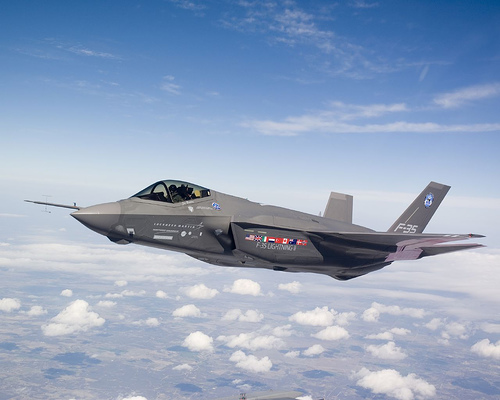
F-35は厳しいか!?
EFVは中止です。
Expeditionary Fighting Vehicle to Be Canceled, Officials Say - NYTimes.com
http://www.nytimes.com/2011/01/06/business/06marine.html
Pentagon Kills EFV, Puts F-35B on Probation - Defense News
http://www.defensenews.com/story.php?i=5394171
Statement on Department Budget and Efficiencies
As Delivered by Secretary of Defense Robert M. Gates, The Pentagon, Thursday, January 06, 2011
http://www.defense.gov/speeches/speech.aspx?speechid=1527
Today, I am also announcing my agreement with the recommendation of the Secretary of the Navy and the Commandant of the Marine Corps to cancel the Expeditionary Fighting Vehicle. This program is of great interest to the Marine community so I would like to explain the reasons behind what I know will be a controversial decision.
The EFV’s aggressive requirements list has resulted in an 80,000 pound armored vehicle that skims the surface of the ocean for long distances at high speeds before transitioning to combat operations on land. Meeting these demands has over the years led to significant technology problems, development delays, and cost increases. The EFV, originally conceived during the Reagan Administration, has already consumed more than $3 billion to develop and will cost another $12 billion to build – all for a fleet with the capacity to put 4,000 troops ashore. If fully executed, the EFV – which costs far more to operate and maintain than its predecessor – would essentially swallow the entire Marine vehicle budget and most of its total procurement budget for the foreseeable future.
To be sure, the EFV would, if pursued to completion without regard to time or cost, be an enormously capable vehicle. However, recent analysis by the Navy and Marine Corps suggests that the most plausible scenarios requiring power projection from the sea could be handled through a mix of existing air and sea systems employed in new ways along with new vehicles – scenarios that do not require the exquisite features of the EFV. As with several other high end programs cancelled in recent years, the mounting cost of acquiring this specialized capability must be judged against other priorities and needs.Let me be clear. This decision does not call into question the Marine’s amphibious assault mission. We will budget the funds necessary to develop a more affordable and sustainable amphibious tractor to provide the Marines a ship-to-shore capability into the future. The budget will also propose funds to upgrade the existing amphibious vehicle fleet with new engines, electronics, and armaments to ensure that the Marines will be able to conduct ship-to-shore missions until the next generation of systems is brought on line.