
休日でまったく暇だったものですから^^ 全文英訳に挑戦してみましたよ^^
半身が米国在住の"pokesaeki"君も、せめて自分が引用した箇所ぐらいは英文と翻訳文を併記することで、より信頼性と信憑性の高いスレッドを作成されることを願って止みません^^
http://www.cahighspeedrail.ca.gov/news.asp?type=faqs&cat=8166
Safety
安全
Why are high-speed trains the safest form of transportation?
なぜ高速鉄道は交通機関のなかで最も安全性が高いのか?
High-speed train systems have been operated safely every day in other parts of the world for many years. The unparalleled safety record for high-speed trains is based upon their actual operating experience. For example, in Japan high-speed train operations began in 1964. In over 44 years of operation, Japanese high-speed trains (the “Shinkansen”) have carried more than 9 billion passengers without a single train related fatality. In France, their high-speed trains (the “TGV”) have been operating for 27 years and currently carry more than 100 million passengers a year. Like Japan, the French high-speed train system has never had a single high-speed train related passenger fatality on the completely dedicated new line such as will be built in California.
高速鉄道システムは他国において長年に渡って毎日安全に運行されてきました。高速鉄道の他に類を見ない安全性はこれまで現実に運用されてきた実績に裏打ちされています。例えば、日本では高速鉄道の運行は1964年に始まっています。44年以上に渡る運行において、日本の高速鉄道(「新幹線」)は90億人以上の乗客を一人の列車に起因する死者を出すことも無く、運んできました。Franceの高速鉄道(「TGV」)は27年間の運行実績があり、近年では年間1億人を輸送しています。日本と同様、Franceの高速鉄道システムでは、カリフォルニアで建設されるような専用新線において一人の乗客の死者も出していません。
In contrast, the automobile is unquestionably the most used and most dangerous when comparing auto, air and rail modes of transportation. In 2004 alone, there were over 4,000 fatalities and more than 200,000 nonfatal injuries on California highways. The National Highway Traffic Safety Administration estimates that deaths and injuries resulting from motor vehicle crashes are the leading cause of death for persons between the ages of 4 and 33 in the United States. With more and more vehicles on our highways, the potential for automobile accidents increases.
対称的に、自動車・航空機・鉄道の輸送形態を比較してみれば、自動車が最も利用頻度が高く、かつ最も危険度が高いと言えます。2004年だけを見てもカリフォルニアの高速道路において4,000人以上の事故死者と200,000人以上の負傷者を出しています。NHTSAは自動車の死亡事故および自動車衝突事故による負傷が、米国の4才から33才の年齢層において最も高い死亡原因になっていると分析しています。高速道路上の自動車が増えれば増えるほど、潜在的な自動車事故は増加することになります。
What makes high-speed trains so safe?
なぜ高速鉄道は安全なのか?
High-speed trains have the proven record as the safest and most reliable form of transportation in the world as a result of separating high-speed trains from other forms of traffic and implementing automated positive train control that safeguards against human error.
High-speed trains operate on grade separated tracks designed for high-speeds. Most train accidents are the consequence of passenger and freight trains using the same tracks and with a signaling and switching system that depends on humans. 87% of California’s 800-mile route will be on new completely separate track reserved for the exclusive use of high-speed trains.
高速鉄道は世界で最も安全で最も信頼性が高い交通形態だと実績が証明していますが、それは他の交通機関と高速鉄道を分離したことと、ヒューマンエラーを補う自動の列車ポジティブコントロールシステムを導入したことの結果です。
高速鉄道は高速運行用にデザインされたグレードが異なる線路で運行されます。多くの列車事故は、旅客列車と貨物列車を同じ線路上で運行し、人間が信号とスイッチを扱うことによって引き起こされます。カリフォルニアの800マイルのルートの87%は高速列車が専用に使用する完全に分離された新線で運行されるのです。
The key distinguishing reasons for the near perfect safety record of high-speed train travel in Europe and Asia are summarized below. (The California High-Speed Rail Project will incorporate all of these safety features, building upon the proven safety and design criteria used for existing high-speed train systems in Europe and Asia):
ほぼ完璧といえる欧州とアジアでの高速列車運行の安全実績のキーとなる重要な理由は以下のように要約されます。(カリフォルニア高速鉄道プロジェクトは欧州とアジアで実在する高速鉄道システムに用いられている実証済の安全とデザイン基準をベースとするこれら全ての安全システムを採用します。)
The entire high-speed train system is fully access controlled and grade-separated (there are no at grade crossings with roads, pedestrians, or other rail services), eliminating pedestrian and motor vehicle conflicts.
全ての高速鉄道システムは完全にアクセスコントロールされ、平面交差を無くす(道路や歩道、他の線路との踏み切り・交差はありません)ことで歩行者や自動車との接触を排除します。
The high-speed train systems are completely double-tracked with additional tracks at intermediate stations to support express operations.
高速鉄道システムは完全に複線であり、急行運行を実現するために途中駅では線路を追加します。
The trains are centrally monitored and controlled, effectively preventing operators from making serious errors, stopping or slowing trains automatically in the event of external problem such as earthquakes, objects falling on the tracks, or gale force winds. High-speed train traffic control and communications systems are state-of-the-art, regulated, and managed during all hours of operation. These systems monitor and limit the train’s speed, schedule, routing, and headway (following distance behind another train). These systems, combined with the operator, have integral redundancy and ensure safety.
列車は集中的にモニタリング&制御され、運転士が重大なエラーを起こすことを効果的に防ぐうえ、地震、線路上への落下物、強風などの外的問題が発生した際には自動的に列車を停止したり減速したりします。高速鉄道のトラフィック制御や通信システムは最新のものであり、全ての運行時間中列車を制御、管理します。これらシステムは列車の速度、スケジュールや進路、運転間隔(先行列車との距離)を監視したり制限したりします。これらシステムは運転士と共用され、複数の系統を統合することで安全性を確保します。
Heavy, conventional freight trains do not share infrastructure designed for high-speed operations.
重量がある従来の貨物列車は高速鉄道運行用に専用デザインされたインフラには共用運行しません。
High-speed trains use a cab signaling system that transmits commands directly to the driver. This technology makes high-speed operation possible in darkness, rain, and fog. In Japan, even moderate snowfall does not slow the Shinkansen because of special ice-melting equipment built into the rail bed.
Unlike aircraft, high-speed train systems are not subject to turbulence. Passengers may sit without seat restraints and may stand and walk comfortably even at maximum speeds and around curves.
高速列車は運転席通信システムを用い、運転士に直接指令を送信します。この技術は夜間や雨天下、霧の中での運行を可能にします。日本では通常の降雪時にも新幹線を減速することはありません。なぜなら路盤に特別な融雪装置が備え付けられているからです。航空機とは異なり、高速鉄道システムは乱気流に悩まされることもありません。乗客は座席ベルトを締めることもなく、最高速での運転中やカーブにおいてすら快適に座席から立ち上がり歩き回ることができます。
Although high-speed train systems do operate in highly seismic areas, such as Japan, no fatalities have ever occurred as a result of a seismic event. The control system is linked to motion detectors close to faults having the potential to affect the line, even hundreds of miles from the line The systems stops the trains when an earthquake is detected, and at-grade construction in fault zones further improves safety.
高速鉄道システムは確かに地震多発地帯で運行されますが、例えば同じく地震多発地帯である日本では、地震によって(高速鉄道で)死者が出たことはありません。制御システムは線路に影響を及ぼす可能性がある活断層近辺に設置された地震計とリンクし、例え何百マイル線路から離れていたとしてもシステムは地震が検知された場合には列車を停止させます。また断層地帯においては地表上に線路が敷設されることで安全性をより強固にします。
Like airplanes, and other public intercity modes, high-speed trains and the infrastructure they operate on (tracks, control systems, and electrification systems) are be maintained on a regular schedule and the maintenance records would be subject to inspection by the Federal Railroad Administration. This regular inspection of both rolling stock and track would ensure the safety of the high-speed train system.
航空機や他の公共交通機関と同様、高速列車とそれが走行するインフラ(線路・制御システム・電力設備)は定期的に点検され、点検記録はFRAに提出のうえ監査されます。この列車と線路双方の定期検査が高速鉄道システムの安全を確かなものにするのです。
In California, key safeguards will prevent unwarranted access to the system. The California high-speed train system would be a fully grade-separated and fully access-controlled guideway with intrusion monitoring systems in place. This means that the train system’s infrastructure (e.g., mainline tracks and maintenance and storage facilities) would be designed to prevent access by unauthorized vehicles, persons, animals, and objects and to detect breaches of the system. The capital cost estimates include allowances for appropriate barriers (fences and walls), state-of-the-art communication, access-control, and monitoring and detection systems. All aspects of the California high-speed train system would conform to the latest federal requirements regarding transportation security. High-Speed trains will not require lengthy “airport style” screenings because like other passenger rail transportation services operating throughout the United States, high-speed trains do not present as great a security risk as air transportation.
カリフォルニアでは、安全運行の鍵は、システムへの不当なアクセスをいかに防ぐかにあります。カリフォルニア高速鉄道システムは完全に立体交差化し、所々にモニタシステムを設けることで完全にアクセス制限された軌道になります。つまり列車インフラ(例えば線路や保線・倉庫施設)は、不許可の車両、人間、動物のアクセスを防止し、システムの綻びを発見するようにデザインされるのです。費用見積では、適切なバリア(フェンスや壁)、最新の通信手段、アクセス制限、モニタ&検知システムを含んでいます。カリフォルニア高速鉄道システムの全ての仕様は、交通機関の安全に関する最新の連邦政府の要求に適合します。高速列車は時間のかかる「航空機スタイル」の搭乗検査を必要としません。なぜなら他のUS全土を通して運用されている旅客鉄道サービスと同じく、高速列車は航空機輸送のような安全リスクがあるとはみなされていないからです。
Will the California high-speed train system share tracks with heavy freight trains and other conventional services?
カリフォルニア高速鉄道システムは重量のある貨物列車や他の従来の旅客サービスと線路を共用するのか?
In California, high-speed trains will not share tracks with conventional freight trains anywhere on the proposed 800-mile system. The only areas where the 800-mile California high-speed train system is expected to share tracks with other types of passenger trains are between San Francisco and San Jose (50-miles), and Los Angeles and Anaheim (27-miles). At these locations, the high-speed train system would be operating at reduced speeds that would be compatible with other passenger trains. The existing infrastructure would be improved to remove grade separations, and install fencing, new signaling system, and additional tracks to keep the high-speed trains safe and to improve the safety and performance of the other passenger trains.
カリフォルニアにおいては、高速列車は提案されている800マイルのシステム上のどこにおいても、従来の貨物列車と線路を共用することはありません。800マイルのカリフォルニア高速鉄道システムのうち、他のタイプの旅客列車と線路を共用することが想定されている区間はサンフランシスコとサンノゼ間(50マイル)およびロサンジェルスとアナハイム(27マイル)に過ぎません。これら地域では、高速鉄道システムは他の旅客列車と共存できる速度に減速して運行されます。現存しているインフラでは、立体交差を設け、フェンスや新しい信号システムを設置し、高速列車の安全を確保するための線路を追加するなど改良され、このことでさらに他の旅客列車の安全性やパフォーマンスも同時に改善します。
Could the recent Metrolink accident have occurred on the proposed California high-speed train system?
最近のMetrolinkの事故は企画されているカリフォルニア高速鉄道システムにおいても起こるのか?
No. The California high-speed train system would be much safer than conventional intercity and commuter rail services currently in California. Conventional passenger services in California operate on freight railroads, have a mix of rail traffic (heavy freight and passenger), have at-grade crossings with roads and other rail services, are not access controlled, and do not have automated signaling systems.
The California high-speed train system would: 1) be completely automated, allowing for centralized command and control of the train system, effectively eliminating the chance of operator error; 2) be completely double-tracked; and 3), not share tracks with conventional freight services.
いいえ。カリフォルニア高速鉄道システムはカリフォルニアに現存する従来の都市間・コミューター鉄道よりもはるかに安全なシステムです。従来のカリフォルニアの旅客サービスは貨物線で運行され、各種列車が混在し(重量級の貨物&旅客列車)、道路や他の線路との平面交差があり、アクセス制限もなく、自動信号システムもありません。カリフォルニア高速鉄道システムは、以下の特徴があります: 1) 完全に自動化され、列車システムは集中指令・制御され、運転士のエラーの可能性を効果的に排除 2) 完全な複線化 3) 従来の貨物サービスとの線路非共用
Will the high-speed train system help improve safety with commuter rail systems like Metrolink and CalTrain?
高速鉄道システムはMetrolinkやCaltrainのようなコミューター鉄道の安全性向上に寄与するのか?
Yes, the California high-speed train system is expected to share tracks and improve safety with CalTrain express services between San Francisco and San Jose, and Metrolink and Amtrak services between Los Angeles and Anaheim. At these locations, the high-speed train system would be operating at reduced speeds that would be compatible with other passenger trains. These commuter rail services would be improved by removing grade crossings (the tracks will be fully grade separated), and installing fencing, providing a new signaling system, and adding tracks to keep the high-speed trains safe and to improve the safety and performance of the other passenger trains.
In addition, where the high-speed train tracks are adjacent to existing passenger and freight services, the existing services will benefit from grade separation improvements.
The California High-Speed Rail Authority will continue to work in partnership with Metrolink and CalTrain throughout the detailed engineering and environmental studies to find solutions to best utilize limited rights-of-way in urban areas and benefit both commuter and intercity services.
はい、カリフォルニア高速鉄道システムはサンフランシスコとサンノゼ間でCalTrainと、ロサンジェルスとアナハイム間でAmtrakと、線路を共用して安全性を向上することが期待されています。これら地域では、高速鉄道システムは他の旅客列車と共存できる速度に減速して運行されます。これらコミューター鉄道においては、踏み切りを除去し(線路は完全立体交差化)、フェンスや新しい信号システムを設置し、高速列車の安全を確保するための線路を追加するなど改良され、他の旅客列車の安全性やパフォーマンスも同時に改善します。
さらに高速鉄道の線路が現存する旅客や貨物列車サービスと近接する箇所では、現存するサービスは立体交差化による恩恵を受けることになります。
カリフォルニア高速鉄道オーソリティ(CHSRA)は、引き続きMetrolinkやCalTrainと技術詳細や環境検証において協業し、都市区間における限られた走行権の最適利用とコミューターと都市間サービス双方の恩恵についてのソリューションを見出していきます。
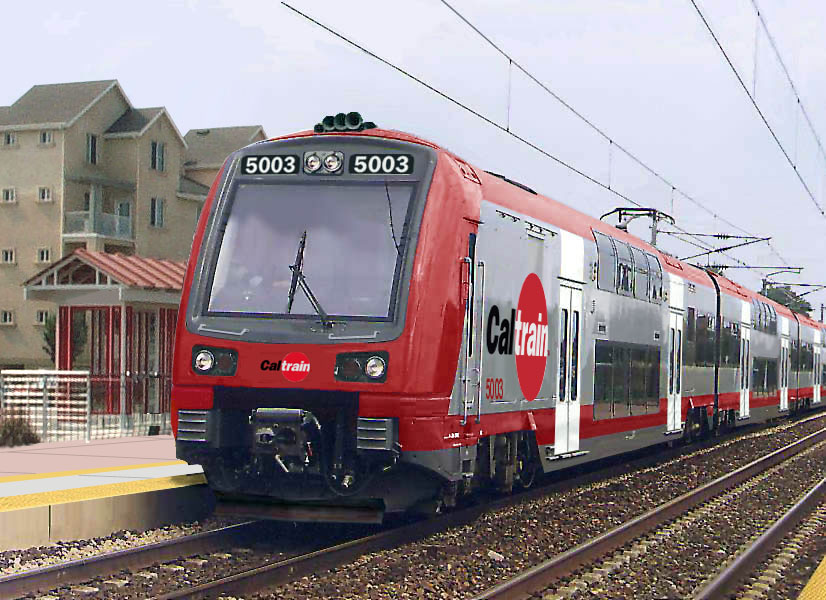
CalTain

Amtrak
全体を見れば、いかにpokesaeki君の引用(赤字)が恣意的なものであり、
その主旨が、「高速鉄道と従来の鉄道が線路を共用すること」にあるのでは
なく、「共用運行のためにインフラを徹底的に整備し、そのことで従来の鉄道の
レベルアップも同時に実現すること」にあることが分かりますね^^
ところでpokesaeki君は元のスレッドで「CA政府」と言い切っていますが、
何のことはないCHSRAのサイト記事ですよね^^
(ま、政府機関なのか第三セクター的機関なのか知らないのですが。
興味もないし^^)
このCHSRA総裁が例のAlstom出身者になったわけですが、その記事上で
こんなにも日本の新幹線の実績(青字箇所)を引き合いに出して良いものなのでしょうか?^^ 普通、自分の出身母体の会社採用を優位に導こうとするならば、この記事の新幹線に関する部分は削除せよ、と言いたくなりますよね。
(記事自体は2008年に作成されたもののようです。)
むしろAlstomは今、受発注に絡む贈収賄事件でかなりバッシングを受けていますから、かえって変なコネクションを疑われるような採用決定は、Alstom出身者が総裁になったことでやりづらくなっているのではないのでしょうか?
(あくまで個人的な感想ですけれど^^)
まあ、しかしどうでも良いことです。
私の個人的動機は、新幹線マンセーなんかにはありませんから^^
あくまで、英語ができないくせに半身が米国在住していて、なおかつ
いかがわしい引用を繰り返すpokesaeki君を馬鹿にすることにあるのですから^^