


毎度おなじみ、「California HSR blog」のSchwarzenegger知事日本訪問に
関する記事のコメント欄で、韓国の人がまたまた暴れまくってくれましたので、
暇つぶしに翻訳してみました^^
http://www.cahsrblog.com/2010/09/japan-offers-loan-to-build-ca-hsr-project/#comments
と言っても、登場人物はまたしても例のUseless氏なのですが。
(そして自己申告によるとUseless氏 = kaesaekiだとのことですが、
そのことの真偽についてはさして関心がありません^^)
それにしても何で韓国の人は、California HSR blogにおいて、いくら
韓国の話題が表題になることが無く、今回のSchwarzenegger知事訪問に
おいても韓国訪問の詳細記事がスルーされたからといって、
日本の記事のコメント欄に初っ端から登場して、KTX-IIマンセーを
執拗に繰返すのでしょうか?
それも今回のブログ記事は、新幹線の性能が主題ではなく、日本や中国からの融資提供が主題であるのにも関わらず、相当強引に列車規格や性能の話に
持ち込んでいますよね^^
まあ、韓国の人は、海外の場において日本が話題になっているのを見ると、
発作的に割り込んで、ウリナラマンセーを叫ばずにはいられない・・・
(仏のJapan EXPO然り、自動車のAutoblog記事然り)
という私の仮説を、またしても強化してくれた訳ですが。
==================(以下 翻訳)=====
Useless
Sep 14th, 2010 at 09:29
It is a terrible and unfortunate situation of mismatch.
ちぐはぐでまったくひどい不幸な状況だ。
Japanese and Chinese who can make multi billion dollar construction loans cannot offer a train model that could meet FRA crashworthiness requirement or run on conventional tracks. Chinese CRH380A is immediately ruled out while Kawasaki’s efSET hasn’t even entered a full development phase yet.
何十億ドルという建設ローンを用意できる日本や中国は、FRAの衝突要求に準拠し、従来の路線を走行できる車両を提供することができない。中国のCRH380Aは即刻却下されるし、カワサキのefSETはフル開発フェーズに入ってすらいない。
Those bidders who can meet FRA crashworthiness requirement compliant models cannot make multi billion dollar construction loan offers.
一方、FRAの衝突要求に準拠する車両を持つ応札者は、何十億ドルもの建設ローンを提供することができない。
I suspect it will eventually come down to French vs Korean. Both offer models that are locomotive pulled and are best positioned to meet FRA crashworthiness requirement and mixed traffic conditions, and both governments have a history of state-backed financing for something grand scale projects like this, although the scale of financing would not be as impressive as Chinese and Japanese offers. If that is SNCF is allowed to bid after the Holocaust hysteria.
私が思うにはコンペは最終的にフランスと韓国に落ち着くだろう。両者は機関車牽引式モデルを提供するから、FRAの衝突要求と混合運行条件に適合する最適なポジションにいるし、両者の政府とも大規模プロジェクトへの国家をバックグラウンドとした投資の歴史を持っている。その投資規模は中国や日本の申し出ほどではないにしても。もっとも仏SNCFはホロコーストの過去に対するヒステリーから、まず入札に参加することを許される必要があるけれども。
[Reply]
Peter Reply:
September 14th, 2010 at 9:42 am
But there is no need to meet FRA crashworthiness requirements. Caltrain has already received a waiver on the most draconian of the FRA requirements, and it appears that the FRA is already reconsidering its crashworthiness rules, especially as PTC comes online nationwide.
でもFRAの衝突要求に準拠する必要はないだろう?すでにCaltrainはFRA要求の最も厳しい箇所について免除を受けているし、FRAは特にPTCが全国的に普及することからしても衝突基準を再考することだろう。
[Reply]
Useless Reply:
September 14th, 2010 at 10:37 am
Caltrain waiver allows introduction of UIC crash compliant train models on Caltrain corridor, like TGV, Velaro, KTXII, etc. Of three, KTXII offers the highest crashworthiness performance, followed by TGV and then Velaro.
CaltrainはCaltrain corridor(注:サンフランシスコ半島)においてUIC衝突基準に準拠した列車、例えばTGV、Velaro、KTXIIなどを導入することを免除によって許可された。3つの車両モデルのうち、KTXIIが最も高い耐衝突性能を持ち、TGV、Velaroがその後に続く。
Shinkansen E6 and China’s Shinkansen E2 derivative(if they can actually beat Kawasaki’s legal challenges) CRH380A do not meet UIC crashworthiness standard at all and would require a separate waiver from FRA, which is hard to be granted because of the mixed traffic status of CHSR corridor with Caltrain and Metrolink.
E6新幹線や中国のE2新幹線派生種(もし中国がカワサキの提訴に勝つことができれば)CRH380AはUIC衝突基準にまったく適合せず、FRAからのまた別の免除を受ける必要がある。しかしCHSRAとcorridorのCaltrain、Metrolinkとの混合運行を考えればそれは(別の免除を受けることは)困難だ。
[Reply]
Peter Reply:
September 14th, 2010 at 10:49 am
But while there is no indication that the CRH380A and Shinkansen are planning on meeting the required crashworthiness performance, there is no indication to the contrary, either.
しかしCRH380Aや新幹線が要求される耐衝突性能へ適合させる開発計画について公表は無いものの、その逆の(開発するという)公表もまた無いだろう。
Therefore, at this point, this is baseless speculation.
だからその点において、君の説は全く根拠の無い憶測だよ。
[Reply]
Useless Reply:
September 14th, 2010 at 10:59 am
@ Peter
The very fact that Kawasaki is busy developing efSET as Japan’s UIC compliant export only model confirms that Shinkansen models cannot be made to be UIC compliant.
カワサキがUIC準拠の輸出専用モデルefSETを必死に開発している、まさにその事実こそが、新幹線ではUIC準拠にできないことを証明している。
Or else Kawasaki would have tried to modify its Shinkansen models it such option was possible.
もしそれができるならばカワサキは新幹線車両を改造していることだろう。
As for Chinese train models, we all know CRH380A is an unauthorized modification of Shinkansen E2(Which isn’t UIC compliant) and we know how Chinese stuff do in crash test of any sort.
中国の列車について言えば、周知の通り、CRH380AはE2新幹線(UIC非適合)の非公認の改造モデルだし、中国という国がどんな衝突テストやらをやってるのか言わずもがなだろう。
[Reply]
Peter Reply:
September 14th, 2010 at 11:32 am
“we know how Chinese stuff do in crash test of any sort.”
「中国という国がどんな衝突テストやらをやってるのか言わずもがなだろう。」
Objection, relevance? The FRA would not allow ANY non compliant trains to run in mixed traffic without passing crash tests.
異議あり、ソースは? どのみちFRAは衝突試験をパスしないいかなる非準拠の列車を混合路線に運行させることを認めないだろう。
“we all know CRH380A is an unauthorized modification of Shinkansen E2″
「中国の列車について言えば、周知の通り、CRH380AはE2新幹線(UIC非適合)の非公認の改造モデルだ」
Objection, facts not in evidence, and speculation. Why don’t we wait for the legal issues to be sorted out by the proper authorities prior to making those types of allegations.
異議あり、証拠のない論述であり憶測にすぎない。この種の根拠の無い断定をする前に、こんな法的な事柄については適切な機関による判断を待てば良いことじゃん。
[Reply]
Alon Levy Reply:
September 14th, 2010 at 4:27 pm
Or, it could be that the Shinkansen designs are owned by the JR companies, and only licensed to the rolling stock vendors as needed. The efSET is a way for Kawasaki to be able to sell trains without paying royalties.
あるいは新幹線の設計はJRが所有していて、車両会社は必要に応じてライセンス生産しているだけだからかもしれない。efSETはカワサキにとって(JRに)ロイヤルティを支払わずに列車を販売する方法ということ。
[Reply]
Useless Reply:
September 14th, 2010 at 6:50 pm
@ Alon Levy
> The efSET is a way for Kawasaki to be able to sell trains without paying royalties.
「efSETはカワサキにとって(JRに)ロイヤルティを支払わずに列車を販売する方法ということ。」
And Kawasaki doesn’t even have a place in Japan to test efSET, since it’s too heavy to run on Shinkansen track. Weight increase and performance decrease is the price Kawasaki must pay to make an exportable train model.
そしてカワサキは日本にefSETをテストする場所すらない。なぜならそれは重すぎて新幹線路線を走らせることができないから。重量の増加と性能の低下はカワサキが輸出可能な車両を製作するときに支払わなければならない対価だ。
[Reply]
Alon Levy Reply:
September 14th, 2010 at 11:41 pm
Exportable to Europe, and to places that listen to European protectionist lobbyists. The US may well not have that; it listens to American protectionist lobbyists instead.
欧州や欧州保護主義ロビイストの言うことをよく聞く場所への輸出用にね。アメリカには関係ないだろう;アメリカはアメリカ保護主義ロビイストの言うことを聞くんだよ。
・・・
[Reply]
Useless Reply:
September 14th, 2010 at 11:06 am
BTW, the reason Rotem makes the sturdiest bullet train is because it is also the main battle tank manufacturer. So Rotem’s trains are built like a tank, literally.
ところで、現代Rotemが最も頑丈な高速列車を作ることができる理由は、彼らがまた戦車の製造会社でもあるからだ。だから現代ロテムの列車は文字通り戦車のようにできている。
[Reply]
nobody important Reply:
September 14th, 2010 at 1:30 pm
That’s the dumbest shit I’ve ever heard. So apparently Siemens’ trains are built like windmills?
これまた今までに聞いたなかで最低なクズコメントだな。それじゃSiemensの列車は風力発電機のように出来てるってのかい?
[Reply]
BMF From San Diego Reply:
September 15th, 2010 at 5:40 pm
And if the peninsula NIMBYs made trains, they’d be tigers… as in paper tigers. And if San Jose did, they’d be made from silicone. And if Mexico made them, they’d smell like tortillas and burritos!
そしてサンフランシスコ半島のNIMBY(高速鉄道計画反対者)が列車を作ったなら、虎のようなものになるだろう、張子の虎に。で、サンノゼで作ったなら列車はシリコンで作られるだろうし、メキシコで作ったなら、トルティージャやブリートの香りがするだろう。
All in fun.
どれもいいね。
[Reply]
Alon Levy Reply:
September 14th, 2010 at 4:34 pm
Caltrain only asked for UIC. From the FRA’s perspective, 100 tons and 200 tons are equally incompatible with its way of doing things, and would require absolute time separation coming from proven positive train control. Granted, it’s possible that some useless lobbyist could convince the FRA that anything less than 200 is unsafe, but given the FRA’s past behavior, it doesn’t seem to make a distinction.
CaltrainはただUIC準拠を申請した。FRAの見解に拠れば、100tの耐衝突性能だろうが200tのそれだろうがその結果は同じことであり、だから実績のあるPTCと完全な運行時間の分離を要求することになるだろう。その通り、役立たずの(useless)ロビイストがFRAに200t以下は何でも安全じゃないとたまたま信じさせることができるかもしれないが、FRAの過去の言動からみれば、(100tと200tとの間に)境界を設けるようには思えないね。
[Reply]
Useless Reply:
September 15th, 2010 at 7:47 am
@ Alon Levy
> some useless lobbyist could convince the FRA that anything less than 200 is unsafe
「役立たずの(useless)ロビイストがFRAに200t以下は何でも安全じゃないとたまたま信じさせることができるかもしれないが」
You bet UIC compliant train model vendors will make that lobby in order to exclude Japanese and Chinese bids.
UIC準拠の車両会社が、日本や中国の応札を排除するためにまさにそのようなロビーをしますね。
[Reply]
Alon Levy Reply:
September 15th, 2010 at 5:03 pm
You can also bet that Japanese vendors will lobby in the opposite direction. Here’s a hint: JITI is running conferences trumpeting the Shinkansen’s superior performance, and saying that the 200 ton rule doesn’t make trains safer. It’s not saying that the Shinkansen can be adapted to Euro-regulations.
日本の車両会社もその逆方向のロビーをするだろう。ヒント:JITI(Japan International Transport Institute)が新幹線の優れた性能をアピールするカンファレンスを各地で開催しているが、そのなかで200tの基準は列車を安全にはしないことを言っている。新幹線は欧州規制に適合可能です、などとは言っていないね。
[Reply]
Useless Reply:
September 15th, 2010 at 5:29 pm
@ Alon Levy
> You can also bet that Japanese vendors will lobby in the opposite direction.
「日本の車両会社もその逆方向のロビーをするだろう。」
Well, all the other guys are happy with UIC standard, so it doesn’t work.
ええ、だが全ての競合他社がUIC基準で満足しているから、日本の活動は無駄だろう。
[Reply]
Alon Levy Reply:
September 15th, 2010 at 11:06 pm
You seem to be awfully sure that the FRA has a mentality of “We don’t know anything, so let’s count lobbyists.” Do you know something we don’t?
君はどうやらFRAが「私たちは何も知らないから、ロビイストの言うことを信じよう」というメンタリティを持っているとまったくもって確信しているようだね。君は何か我々が知らないことでも知っているのかい?
[Reply]
Andre Peretti Reply:
September 15th, 2010 at 8:09 am
The UIC’s compression-without-deformation specifications take into account the fact that European high speed trains also run on legacy lines where encounters with other vehicles are possible. They don’t target train/train collisions as FRA rules seem to. These are supposed not to happen in Europe.
Until all level crossings are phased out the UIC is not likely to change its rules. The TGV has had a number of collisions with heavy vehicles, including a 100 tonnes+ truck with very limited damage to the train.
If you think California’s high speed trains will never collide with any heavy foreign object, then lightweight Shinkansen is a good choice.
UICの非変形圧縮スペックは欧州の高速列車が他の乗り物と衝突する可能性のある従来の路線上にも運行することを考慮に入れています。それはFRA規則が考慮していると思われる列車対列車の衝突を対象にしていません。列車対列車の衝突は欧州では起こりえないと想定されています。全ての踏み切りが撤去されるまでは、UICはその基準を変えることはないでしょう。これまでTGVは重量級の乗り物~100t以上のトラックを含む~と何度も衝突していますが、車両へのダメージは小さいものでした。
もしカリフォルニアの高速列車が決して他の乗り物と衝突しないと考えるならば、軽量の新幹線は良い選択でしょう。
・・・・・
[Reply]
Mikeorama
Sep 14th, 2010 at 10:46
Sure the size of a Japanese loan is important, but not nearly as important as the terms, which are critical. Hell, _I’ll_ offer the Authority a $20 billion loan … is that good news? No, because the terms will suck like nothing you’ve ever seen. Presumably a Japanese loan is a bit of a loss leader that comes along with selection of Japanese technology, so they should be prepared to offer better terms than you’d get from one of the global infrastructure investment groups (e.g., Macquarrie) or from bond markets … maybe they (or the chinese, koreans, french, etc.) will offer fabulous terms on the assumption that having secured California HSR that they’ll become the defacto US standard. But this is all conjecture at this point, and until CHSRA gets down to actual
negotiation with private lenders/investors none of us can accurately predict the outcome.
確かに日本からのローンの金額は重要ですが、より深刻で重要なのはその条件です。「CHSRAに200億ドルローン提供します」ということ自体がグッドニュース?いいや、その条件がかつて聞いたことがないような内容になるだろうからです。おそらく日本のローンは日本の技術を採用することとセットの誘い水でしょうから、彼らは他の世界的なインフラ投資グループ(Macquarrieなど)やボンド債よりも好条件でローン提供することになるのでしょう・・・ひょっとしたら日本は(もしくは中国、韓国、フランスなどは)アメリカのデファクトスタンダードにもなり得るカリフォルニア高速鉄道の受注を確実にするために法外な条件を提示するかもしれません。しかしこのことは全て現時点では推測に過ぎないですね。CHSRAが民間の金融機関や投資機関と実際の交渉に入るまではその成果については誰も正確に予言できません。
[Reply]
Useless Reply:
September 14th, 2010 at 10:56 am
@ Mikeorama
Looking at Japan and China’s prior HSR construction loan offers to Vietnam, they should be pretty good. The only problem is that neither could actually offer models that could meet FRA approval and could share traffic with other trains on conventional rail.
日本や中国がベトナムの高速鉄道建設に申し出たローンを見ると、確かにそれはかなり好条件になるだろう。問題は両者ともFRAが認可し、従来の路線上で他の列車と混合運行できるような車両モデルを実際に提供できないことだ。
China has not even proven that it could even design a high speed train by itself, so they are pretty out. Japan can obviously design a UIC compliant EMU model if given time, but California would be the first user of Japan’s first UIC compliant high speed train model(Japan will not use one itself) and with all the technical risks associated with being the first user. As Javelin wobbling fiasco in UK has shown, Japanese trains aren’t glitch free either.
中国は彼ら自身の手で高速列車を設計できるかどうかということすら証明されていないから、絶対アウト。日本は確かにUIC準拠の電車を時間さえあれば設計できるが、その場合、カリフォルニアが日本の最初のUIC準拠の高速列車の(日本は自国でUIC準拠の列車を使わない)、初めてのユーザーになるだろうし、最初のユーザとしての技術的リスクを負うことになる。英国でのJavelinの横揺れの大失態が示すように、日本の列車も欠陥フリーではない。
So the best bet for California is to select a model that is already proven in its home country and other markets, such as TGV, Velaro, and KTXII, but these bids do not come with fat loan offers like Chinese and Japanese bids.
したがってカリフォルニアいとって最適なのは、TGVやVelaro、そしてKTXIIのように自国や他の市場ですでに実証されたモデルを選ぶことだ。これらの応札者からは中国や日本と同じようなローン提供は無いにしても。
[Reply]
lyqwyd Reply:
September 14th, 2010 at 4:58 pm
why do you keep spouting this FRA stuff, it’s irrelevant. A waiver will be granted for whatever trainset is chosen.
なんで君はこのFRA絡みの話をいつまでもまくしたてるのかい?全く見当違いだよ。どのような列車であれ選択されれば免除条項は提示されるだろうよ。
[Reply]
Peter Reply:
September 14th, 2010 at 5:12 pm
They’ll have an agreement with the FRA that as long as the Authority makes sure the trainset meets whatever FRA standards applicable, the FRA will grant whatever waiver is required.
CHSRAがその全列車がどのようなFRA基準であれ満たしていることを確実に保証するという条件でFRAはどのような免除条件でも提示する、という契約を、CHSRAとFRAは結ぶだろうね。
[Reply]
Useless Reply:
September 15th, 2010 at 7:44 am
@ Peter
> as long as the Authority makes sure the trainset meets whatever FRA standards applicable
「CHSRAがその全列車がどのようなFRA基準であれ満たしていることを確実に保証する」
Technically, none of HSR train models other than Acela can meet the FRA compression standard of 360 tons. The closest is KTXII, whose locomotive can withstand a 500 ton compression load and the coaches 200+ ton compression load, but this is still not going to meet the FRA’s standard.
技術的に、Acelaを除く全ての高速列車モデルはFRAの360tの衝突圧縮基準を満たしていない。最も近いのはKTXIIであり、その機関車は500t、客車は200t強の加重に耐え得るが、これでもFRAの基準を満たしていない。
FRA’s 200 ton UIC standard waiver came with a whole bunch of strings attached, so I can’t imagine Shinkansen’s 100 ton standard or China’s 0 ton standard getting any FRA approval.
FRAの200tのUIC基準免除は諸々の条件が付帯されており、新幹線の100tや中国の0t基準がFRAの認可を得られるとはとても想像できない。
[Reply]
Peter Reply:
September 15th, 2010 at 9:36 am
You’re still missing my point, but I don’t think you’re interested in understanding it.
君は僕の言っているポイントが何であるか理解していない。もっとも君がそれを理解しようとしているとは思えないけれどね。
[Reply]
Joey Reply:
September 15th, 2010 at 3:04 pm
The FRA will generally allow you to run whatever you want when you are not running compliant and non-compliant trains at the same time. There are plenty of examples of non-complaint operations in the US, though none high-speed, for obvious reasons. There could be conflicts on the CalTrain line (though I would hope that CalTrain will be able to replace its fleet before HSR begins operating) or in the LA-Anaheims section, if track sharing is selected, but I’m still hesitant to say that this is going to be an major obstacle.
FRAは一般的に言って、基準準拠の列車と非準拠の列車とを同時に運行させない限り、どのような列車の運行も許容しているよ。高速運行ではないけれども、米国では非準拠の運行などいくらでも例がある。もし混合運行が決定されたなら、CalTrain路線や(私はCalTrainが高速列車運行が始まる前に全ての列車を置換えることができるように望むけれど)、LA~Anaheimsの区間で問題が生じるだろうけれど、このことが大きな障害になるとは思わないなあ。
[Reply]
Peter Reply:
September 15th, 2010 at 6:01 pm
HSR will likely be completely separated from freight in San Jose. It will be on the tall aerial from Diridon past Santa Clara, where the freight would turn onto the line going to the salt flats (forget the name of the line). Freight will likely only travel up the Peninsula at night while the HSR trains are sleeping.
高速鉄道はサンノゼでは完全に貨物列車と隔離される。DrindonからSanta Claraを過ぎるまで高速鉄道は高架上を走行し、貨物列車はsalts flatsへ向かう路線(路線名は忘れた)を走ることになる。貨物列車はサンフランシスコ半島では、高速鉄道が運行しない夜間にのみ運行する予定。
I’m not sure what the situation will be down south.
南のほう(LA~Anaheim)ではどのような状況になるのか、知らないけれど。
[Reply]
Joey Reply:
September 15th, 2010 at 9:07 pm
Freight trains aren’t the issue. The issue is the transition period in which CalTrain may be running both lightweight EMUs and its old heavy diesel units.
貨物列車は問題にならないね。CalTrainが軽量の電車と旧型の重たいディーゼル列車の両方を走らせている移行期間が問題だ。
[Reply]
Useless Reply:
September 14th, 2010 at 6:38 pm
@ lyqwyd
> A waiver will be granted for whatever trainset is chosen.
「どのような列車であれ選択されれば免除条項は提示されるだろうよ。」
Alstom wishes FRA was that flexible when they were doing Acela.
AlstomはAcelaを検討しているとき、FRAが今ぐらいに柔軟であることを望んでいた。
FRA demonstrated that they were willing to go down to UIC level, but they surely aren’t willing to go down to Shinkansen level(100 ton), or Chinese level(0 ton).
今、FRAはUIC基準まで落とすことを示したが、彼らは決して新幹線レベル(100t)や中国レベル(0t)までは落とすことはない。
[Reply]
Alon Levy Reply:
September 14th, 2010 at 11:44 pm
There was no PTC on the Northeast Corridor back when the Acela was in design. The PTC implementation, ACES, only came online after service was supposed to start. And I don’t think Alstom cares too much about how flexible the FRA is ... it’s the riders who suffer.
Acelaが設計されていたときにはNortheast CorridorにはPTCは配備されていなかった。PTC搭載のACESはPTCが開始されることが前提になったあとに登場したものだし、その当時にAlstomは、乗降客数についてはともかく、FRAの柔軟性について懸念していたとは思わないね。
So far, you’re only offering innuendo and rumor about what the FRA will and won’t do. Where’s the beef? Where are the statements from the FRA?
これまでの議論で、君はただFRAがやることややらないことについて、ほのめかしや噂話ばかり垂れ流している。一体中身はどこにあるんだい?FRAからの発表はどこにある?
・・・
Useless
Sep 14th, 2010 at 12:49
Some interesting observation.
興味深い考察を。
Arnold Schwarzenegger stayed in China for 3 days, in Korea for 2 days, but in Japan for 1 day.
Arnold Schwarzeneggerは中国に3日間、韓国に2日間滞在したが、日本にはたった1日の滞在だった。
What’s even more important, it can be confirmed that CHSRA chairman Roelof van Ark had a technical meeting with Chinese bidders and will have a similar meeting with Korean bidders tomorrow while Arnie goes off in KTXII ride. It is not known if van Ark had a similar meeting with Japanese bidders.
より重要なことは、CHSRAの議長、Roelof van Ark氏が中国の複数車両企業と技術ミーティングを実施し、明日Schwarzenegger知事がKTXIIに試乗している間には、同様の技術ミーティングを韓国の車両企業とも実施することだ。Roelof van Ark氏が同様のミーティングを日本企業と実施したとは聞いていない。
Based on trails of Arnold Schwarzenegger and Roelof van Ark, it seems that Chinese and Koreans are top two candidates, Chinese for financing muscles and Koreans for being the closest match to California’s HSR conditions.
Scwarzenegger知事とRoelof van Ark議長の旅程を見れば、中国と韓国がトップ2の候補者ということだろう。中国には資金提供力があり、韓国はカリフォルニアの高速鉄道の条件に最もマッチしている。
[Reply]
nobody important Reply:
September 14th, 2010 at 1:48 pm
More speculation…
またしても憶測・・・
・・・
Andre Peretti Reply:
September 15th, 2010 at 5:43 am
The same trains run faster in China, even when unmodified. The CR5 are ETR-600 Pendolinos (minus tilting). They run at 125mph in Europe and 156mph in China.
同じ列車が改造なしでも中国ではより速く走行してます。CR5はETR600ペンドリーノ(振り子レス仕様)です。それは欧州では125 mphですが、中国では156 mphで走ってます。
Actually, a train’s commercial speed also depends on cost analyses: the higher the speed, the higher the cost (power consumption+maintenance of track and rolling stock). These costs may matter less in China than in the West.
実際のところ、列車の商業運行速度はコスト分析で決まっています。速度が速ければ、その分、コストは増します。(消費電力+線路・列車の整備費用)これらのコストは中国では西側社会よりも安価なのでしょう。
The type of signalling system is also important. Virgin will run its Pendolinos at 140mph when the signalling system is upgraded.
信号システムのタイプもまた重要です。Virginは信号システムがアップグレードされれば、ペンドリーノを140 mphで走行させる予定です。
Are the Chinese taking risks with safety? A major accident would deal a severe blow to their credibility, and they couldn’t hide it from the media as they used to in the past.
中国は安全性のリスクをとる覚悟があるのでしょうか?重大事故は彼らの信用に重篤な悪影響をもたらしますし、彼らは過去にそうしてきたようにはメディアからそれを隠すことはもうできないでしょう。
[Reply]
Useless Reply:
September 15th, 2010 at 7:34 am
@ Andre Peretti
> Are the Chinese taking risks with safety?
「中国は安全性のリスクをとる覚悟があるのでしょうか?」
Valuation of human life is different in China than in the rest of world. In other word, your loss doesn’t matter even if you are an Olympic gold medalist, because there are a million others to replace you.
人命の価値は中国と他の世界では違う。言い換えれば、一人の命が失われることは例えそれがオリンピックの金メダリストであったにせよ問題にならない。なぜならそれを置換えることができる百万という他者がそこに居るから。
> A major accident would deal a severe blow to their credibility, and they couldn’t hide it from the media as they used to in the past.
「重大事故は彼らの信用に重篤な悪影響をもたらしますし、彼らは過去にそうしてきたようにはメディアからそれを隠すことはもうできないでしょう。」
CRH trains do break down once every 4 month at the moment. The frequency will increase as they age.
目下、CRH列車は4ヶ月に一度、故障している。その頻度は年を経るにしたがって増えるだろう。
[Reply]
wu ming Reply:
September 15th, 2010 at 3:49 pm
Valuation of human life is different in China than in the rest of world. In other word, your loss doesn’t matter even if you are an Olympic gold medalist, because there are a million others to replace you.
「人命の価値は中国と他の世界では違う。言い換えれば、一人の命が失われることは例えそれがオリンピックの金メダリストであったにせよ問題にならない。なぜならそれを置換えることができる百万という他者がそこに居るから。」
bullshit. people in china value human life in a manner much like anywhere else, more for people they know, and less for strangers. the chinese government and chinese corporate bosses might not give a damn about peons, but that’s not as different from other places as one would expect. what’s missing isn’t a value on human life, so much as a mechanism for everyday people to make the government and corporations pay for doing things that harm everyday people.
何だと!中国の人々の命の価値は他のどことも全く同じように変わらないし、彼を知っている人にはより重く、知らない人にはより軽くなるだけだ。中国政府や中国企業の社長は日雇い労働者など気にもかけないだろうが、それは世界の他のどことも変わらない。中国で見失われているのは人命の価値ではなく、政府や企業が人々に害があることに注意をさしむけるようにするメカニズムだ。
there is a great deal of popular upset at the abuse of everyday people at the hands of cops, corporations, and corrupt local government. they just have a much harder time suing or protesting or voting people out of office than their counterparts elsewhere do. that doesn’t mean people don’t care about human life, just because there are more total chinese than americans.
一握りの警察官、企業、腐敗した政府が一般の人々を粗末に扱うことに対して、広く大きな憤りがある。中国人はそれらの人を訴えたり抗議したり投票によって追放したりすることに関して、他国よりも困難な状況にあるだけだ。そのことは単に中国人がアメリカ人よりも人口が多いからといって、人々が人命を軽視することを意味しない。
・・・
Useless
Sep 15th, 2010 at 15:06
Some interesting bits on Arnold Schwarzenegger’s KTX-II ride.
Schwarzenegger知事のKTXII試乗について興味深い話を。
The train went from 100 km/h -> 300 km/h -> full stop on a 46 mile corridor. The other rides(CRH3 and E5) apparently did not hit 300 km/h during the demo run
列車は100 km/h → 300 km/h → 完全停止を46 マイルの区間で走行した。他国の試乗(CRH3とE5)ではデモ中に明らかに300 km/hまで加速していない。
This is a very impressive acceleration performance by KTXII, a locomotive pulled train that beats lighter Shinkansen 700 series on acceleration and is far superior to TGV’s acceleration.
これはKTXIIによるとてもすばらしい加速性能によるものだ。機関車牽引の列車がより軽量の700シリーズ新幹線に勝ち、TGVの加速よりもはるかに優れているのだから。
[Reply]
Joey Reply:
September 15th, 2010 at 3:24 pm
What’s the KTXII’s power to weight ratio?
KTXIIの パワーウェイトレシオは?
[Reply]
nobody important Reply:
September 15th, 2010 at 4:32 pm
I’m skeptical about Hyundai-Rotem since they built the new SEPTA Silverliner V trains and I’ve heard they haven’t done such a good job with it, with poor welding and delays in manufacturing.
現代Rotemについては懐疑的だなあ。彼らが新しいSEPTA Silverliner V trainsを作ったのを見るにつけ。聞くところによると溶接は酷いし、納期は遅れるし、でひどい仕事っぷりだったってさ。
[Reply]
Alon Levy Reply:
September 15th, 2010 at 5:28 pm
Getting from 0 to 300 km/h and back over 46 miles is not impressive at all. An N700-I could accelerate from 0 to 300 in 6 miles and decelerate back in about 3.5. An E5 would do slightly worse.
46マイルの区間で0から300 km/hに加速し停止するというのは少しも印象的ではないな。N700 Iは0から300 まで 6マイルで加速し、そこから3.5マイルで停止できる。E5系はそれより少し悪いぐらい。
The KTX-II’s P/W ratio is 20.3, lower than the AGV and the Shinkansen, and a hair lower than the Zefiro. Its initial acceleration rate is lower than that of all EMUs. So no, it’s not a high-acceleration train.
KTXIIのパワーウェイトレシオは20.3であり、AGVや新幹線よりも低く、Zefiroよりもほんの少し低い。その初期加速性能は他のどの電車よりも低い。だからKTXIIは高加速列車ではないなあ。
・・・
Giese
Sep 16th, 2010 at 07:45
It is fun to see Korean salesperson looms up from somewhere and stands in the way of Chinese and Japanese to promote KTX-II something here. Is this another echo of WWII or something that happened long long time ago? Though I don’t know if Japan and Korea fought each other in that war. To be quite honest, I’m sick of hearing political thing like holocaust in discussions about the future HSR system. The past of SNCF? Nazi? pooh!
ここで韓国のセールスマンがどこからともなく現れてKTXIIを売り込むために中国や日本の行く手を妨げてるのを眺めるのは面白いね。それって昔むかしに起こったWWIIか何かの影響なの?その戦争で日本と韓国がお互いに戦ったのかどうかは知らないけれど。正直に言って、未来の高速鉄道の話をするのにホロコーストだの何だの政治的な話を聞くのはうんざりなんだよね。SNCFの過去?ナチ?ヘン!
[Reply]
Useless Reply:
September 16th, 2010 at 11:25 am
@ Giese
No one’s trying to sell anything here. Rather we are simply discussing which train model is likely to be selected for California HSR system. KTX-II is clearly better suited for California than either Shinkansen E6 or CRH380A, both of which may not be able to win FRA approval, and CRH380A carries an additional problem of intellectual property rights issues.
誰もここでは何かを売ろうなどとはしていない。単に我々はここでどの列車モデルがカリフォルニアの高速鉄道に選ばれるのか議論しているだけだ。KTXIIは明らかにE6新幹線やCRH380Aよりもカリフォルニアには適している。両者ともFRAの認証を受けられないだろうし、CRH380Aは知的財産権の問題も抱えている。
==========================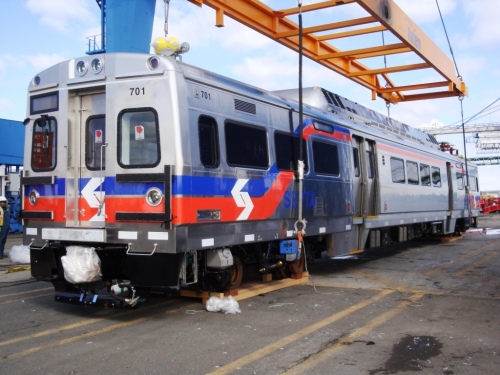
コメント中で話題が出たSEPTA Silverliner V trains
実はUseless氏の議論はこれだけでなく、各国の高速列車の加速性能に
ついてとりとめのない議論が延々と続いてまだ終わってもいないような気配
なのですが、興味のある向きはぜひ本文をあたってください^^
私は列車の性能云々については門外漢なので、このコメント欄の登場者の
誰が妥当な議論をしているのか、それについて口をはさむ資格はない
でしょう。
それにしても、韓国の人の「日本」に対する発作、投稿欄における物腰、
追い込まれる立ち位置など、どれもこれも奇妙に興味深いサンプルです^^